Intermittent Fasting Decoded: Exploring the Science and Benefits
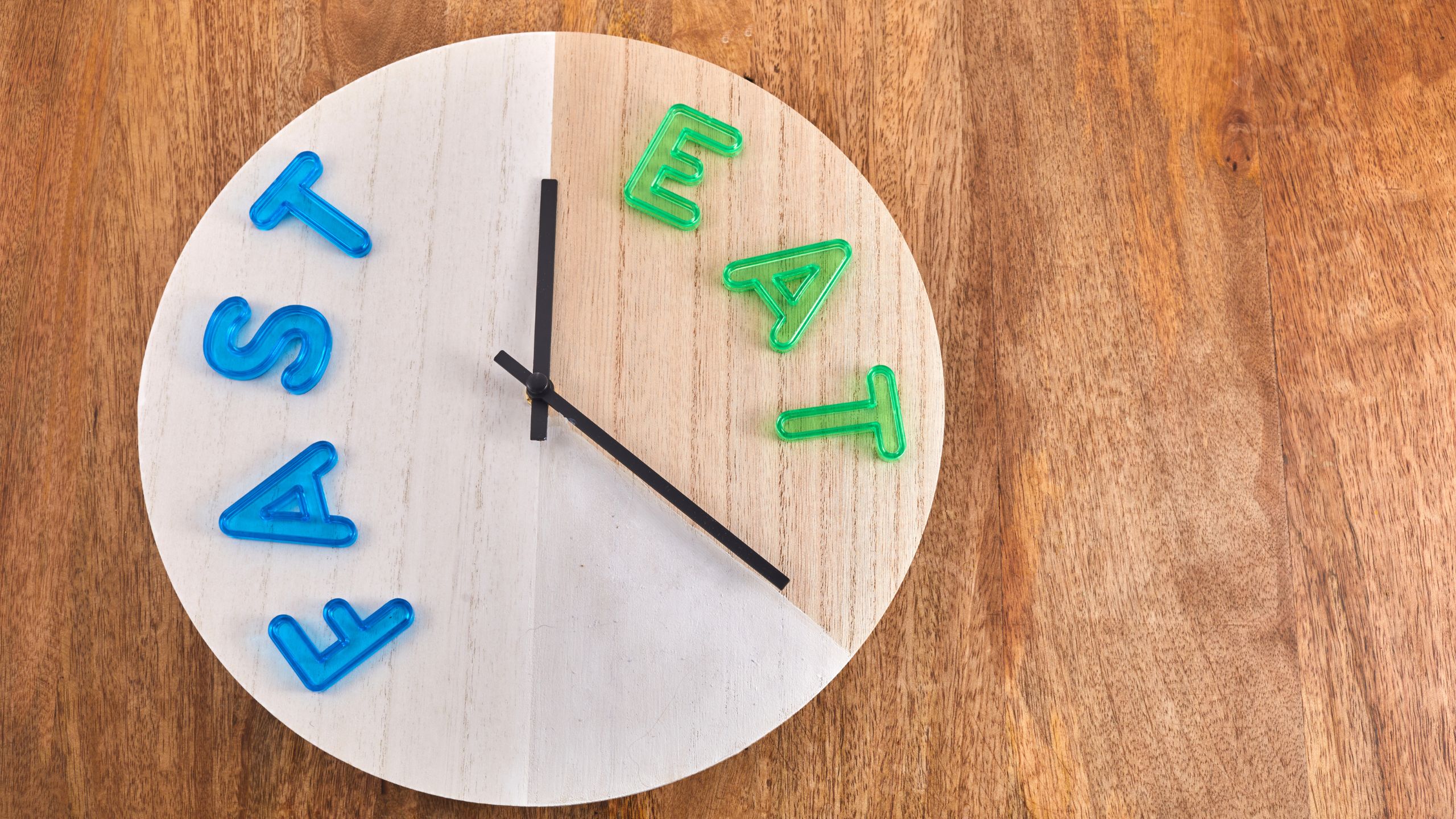
Intermittent fasting has become a popular weight loss trend, but does it really work? Researchers have found that delaying eating by four hours after waking can significantly impact weight loss. This practice decreases insulin levels, activates Hormone Sensitive Lipase (HSL), and reduces glucose production, causing the body to burn stored fat rather than blood sugar. Restricting eating to an eight-hour window can turn your body into a fat-burning machine. Here’s an example:
11am: Breakfast
1pm: Snack
3pm: Lunch
5pm: Snack
7pm: Dinner
How Intermittent Fasting Works
Intermittent fasting lowers insulin levels, shifts metabolism towards fat burning by activating HSL, and reduces glucose production, forcing the body to use stored fat for energy. This combination enhances fat loss and improves metabolic health, including better blood sugar control, reduced inflammation, and enhanced insulin sensitivity.
Researchers have found that delaying eating by four hours after waking can significantly impact weight loss.
The Science Behind Intermittent Fasting
Intermittent fasting works by lowering insulin levels, which helps the body shift from storing fat to burning it. It activates Hormone Sensitive Lipase (HSL), breaking down stored fat into fatty acids for energy, thus enhancing fat-burning efficiency. Additionally, it reduces glucose production, forcing the body to use stored fat for energy, thereby boosting fat loss.
Benefits and Considerations
Intermittent fasting promotes weight loss and simplifies eating patterns by focusing on an eight-hour window. However, it’s important to determine if it suits your lifestyle and consult with a healthcare professional before starting any new dietary regimen.
Reference:
Salk Institute for Biological Studies. “Extended daily fasting overrides harmful effects of a high-fat diet: Study may offer drug-free intervention to prevent obesity and diabetes.” ScienceDaily.
OTHER POST
-

-
-
-
Every Step Counts: Making Them Matter Towards Your Goals



SERVICES
FEATURE
FREE DOWNLOAD
FREE 6 DAY HEALTHY LIFESTYLE ROADMAP
2025 Real Results - Do not copy. All rights reserved.